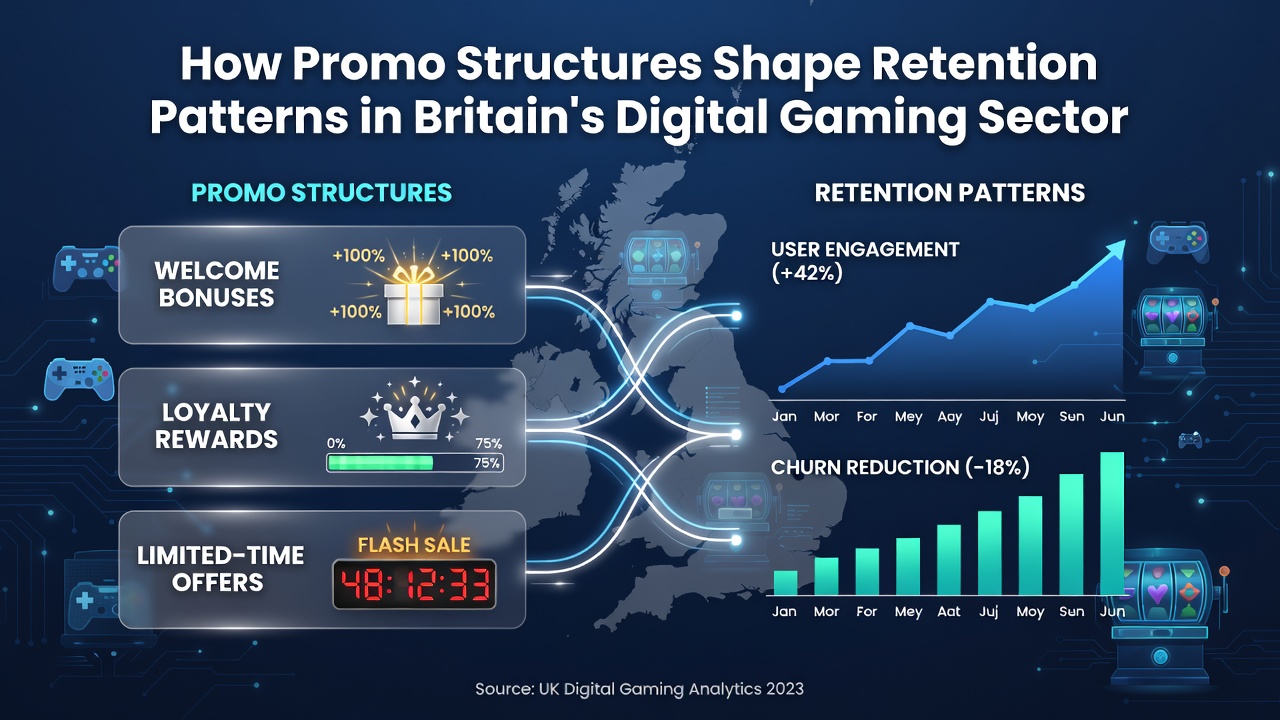
Britain's digital gaming operators deploy a range of promotional structures that directly correlate with how long players remain active on their platforms, and data from industry analyses consistently shows measurable differences in retention based on bonus design. Welcome offers, reload bonuses, loyalty tiers, and cashback programs each create distinct behavioral loops where players return at predictable intervals when the structure rewards consistent participation rather than one-time sign-ups. Operators segment these promotions by player value, and research indicates that high-frequency players respond more strongly to tiered loyalty systems while casual users gravitate toward immediate deposit matches. A study conducted by the Australian Institute of Family Studies examined similar markets and found that retention improved by up to 22 percent when promotions included progressive rewards that unlock over multiple sessions rather than single deposits.Key Components of Effective Promo Designs
Promo structures typically combine entry-level incentives with ongoing engagement triggers, and operators in Britain track redemption rates alongside session frequency to refine these offerings. Free spin packages attached to specific games encourage exploration of new titles, whereas cashback on net losses tends to stabilize spending patterns among mid-tier players. Data shows that when promotions require gradual wagering over several days, return visits increase compared with instant-withdrawal bonuses that players redeem and then depart.
Seasonal campaigns tied to major sporting events also shape retention, since participants often maintain accounts across multiple weeks to accumulate qualifying bets. Those who studied these patterns note that operators who stagger rewards across calendar months see steadier login activity than those relying on sporadic large bonuses.
Retention Data and Behavioral Patterns
Industry reports reveal that players exposed to structured loyalty programs log in 1.8 times more frequently than those receiving only ad-hoc offers, and this gap widens after the first 30 days of activity. Retention curves flatten when promotions include clear milestones that players can visualize, such as level-ups granting exclusive table access or personalized reload credits. Observers note that August 2026 brought renewed focus on these metrics as several platforms adjusted their systems ahead of seasonal peaks.
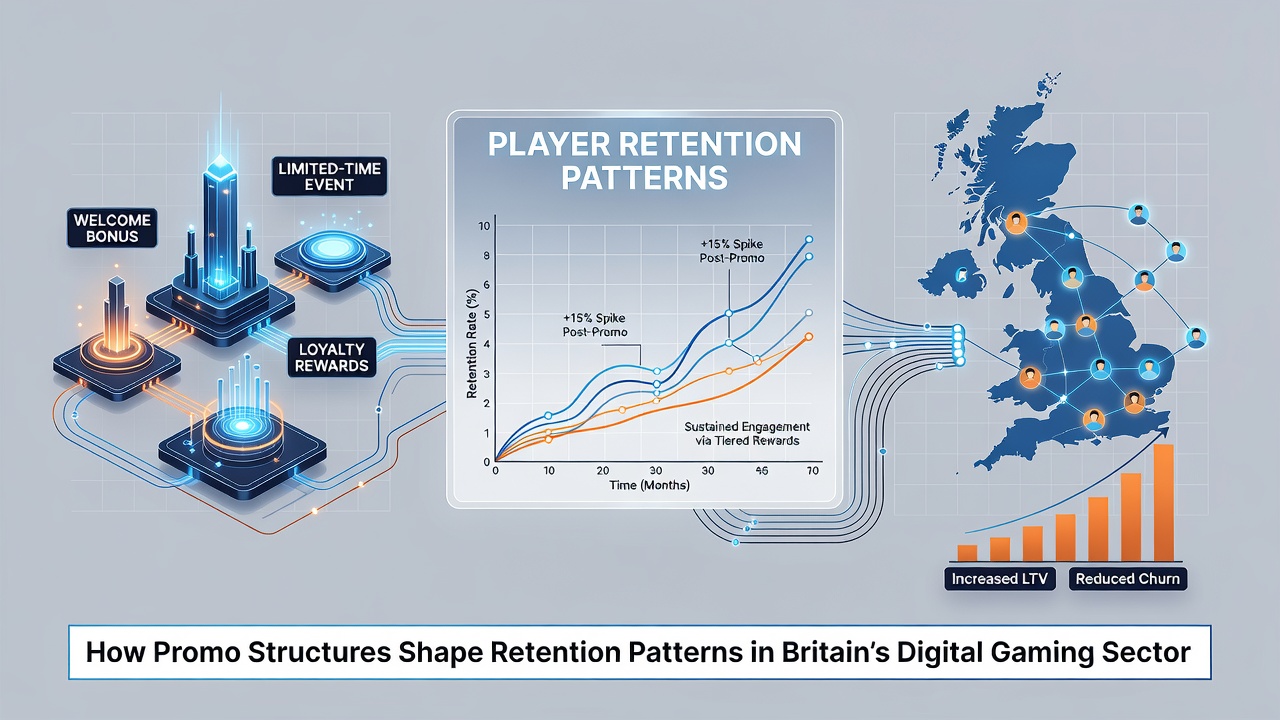
Take one analysis from the University of Nevada Gaming Research Center that compared retention across multiple jurisdictions and identified a consistent advantage for programs offering small, frequent incentives over infrequent high-value rewards. Players in those systems maintained accounts longer because the steady stream of benefits reduced the incentive to switch platforms. Similar findings appear in European operator datasets, where structured cashback and milestone bonuses correlate with lower churn rates during the second and third quarters of each year.
Regional Comparisons and Market Adaptations
British operators have adapted promotional frameworks to align with player preferences observed in other regulated markets, and cross-border studies show that loyalty structures emphasizing social features, such as leaderboards or shared challenges, produce stronger retention than purely monetary rewards. Platforms that integrate these elements report sustained engagement through the summer months when activity might otherwise decline. External benchmarks from the European Gaming and Betting Association highlight how operators in comparable jurisdictions refined their approaches by monitoring session length alongside bonus uptake.
Those who've examined account-level data emphasize that transparency in promotional terms plays a measurable role, since unclear wagering conditions lead to higher drop-off after initial redemptions. Clear communication of requirements allows players to plan their participation, which in turn supports longer account lifespans.
Conclusion
Promotional structures continue to serve as primary levers for retention in Britain's digital gaming sector, and operators that refine these frameworks based on observed player behavior maintain higher engagement levels across diverse segments. Evidence from multiple research sources demonstrates that progressive, milestone-based designs outperform one-off offers in sustaining activity over time. As platforms incorporate these insights, retention patterns are expected to reflect the continued evolution of reward mechanics tailored to different player profiles.