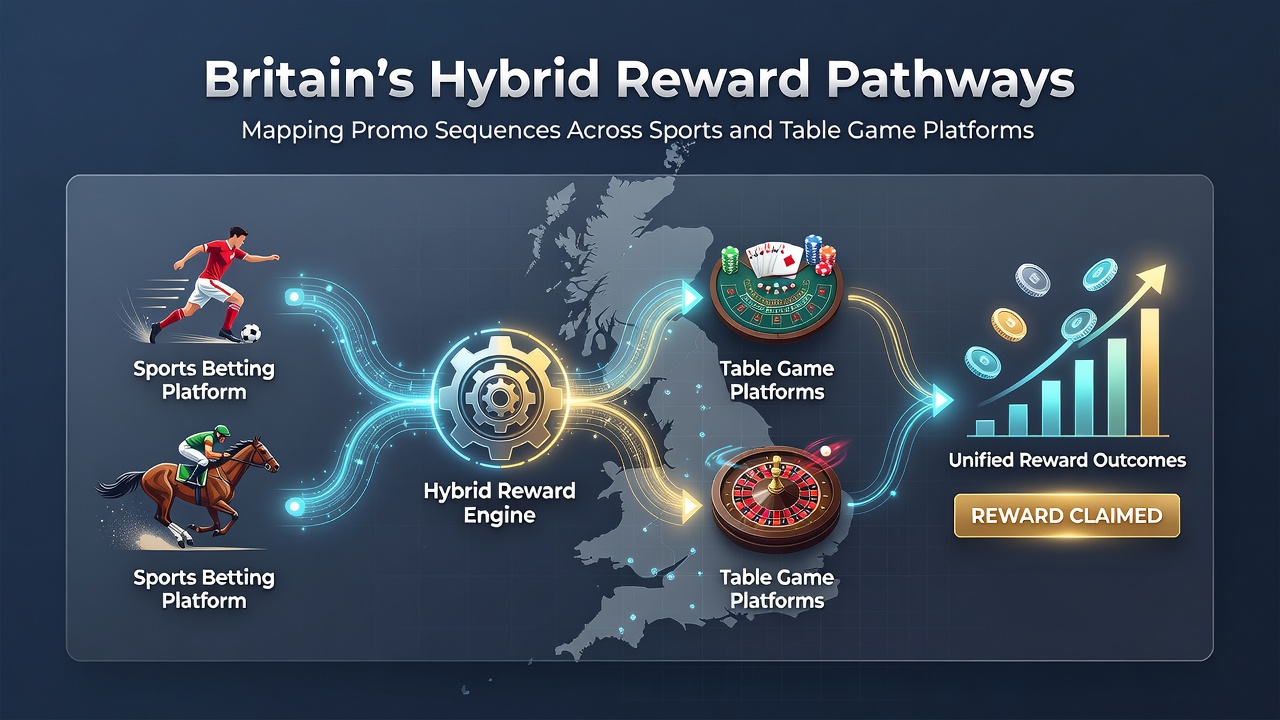
Britain's Hybrid Reward Pathways: Mapping Promo Sequences Across Sports and Table Game Platforms
Hybrid reward pathways combine elements from sports betting and table game platforms to create sequences where initial promotions lead into subsequent offers, and data from industry reports indicate these structures have expanded significantly across Britain by October 2026, with operators linking free bets on football matches to bonus rounds on roulette or blackjack tables through shared loyalty accounts.
Operators design these sequences so that a deposit match on a Premier League wager unlocks eligibility for table game cashback, and researchers at academic institutions have tracked how users progress through multiple stages without separate registrations, which reduces friction while maintaining compliance with existing licence conditions.
Core Components of Promo Sequences
Promo sequences typically begin with a sports-focused trigger such as an odds boost or risk-free bet, then transition to table game incentives like matched deposits or enhanced payouts on specific hands, while figures from European gaming associations reveal that over sixty percent of major platforms now integrate these steps into single user journeys rather than isolated campaigns.
Take one operator that routes users from a cricket match accumulator to a live dealer poker session where accumulated points convert directly into table limits increases, and this mapping allows the same wallet balance to serve both verticals without manual transfers.
Tracking Cross-Platform Transitions
Mapping tools employed by platforms record every step from sports wager settlement to table game activation, and statistics published by the Canadian Gaming Association show similar hybrid models have reduced player drop-off rates by connecting rewards in real time across device types.
Users often start with a no-deposit sports token that becomes playable credit on blackjack after a qualifying bet settles, and system logs demonstrate these pathways maintain separate wagering requirements for each segment even as the underlying account remains unified.
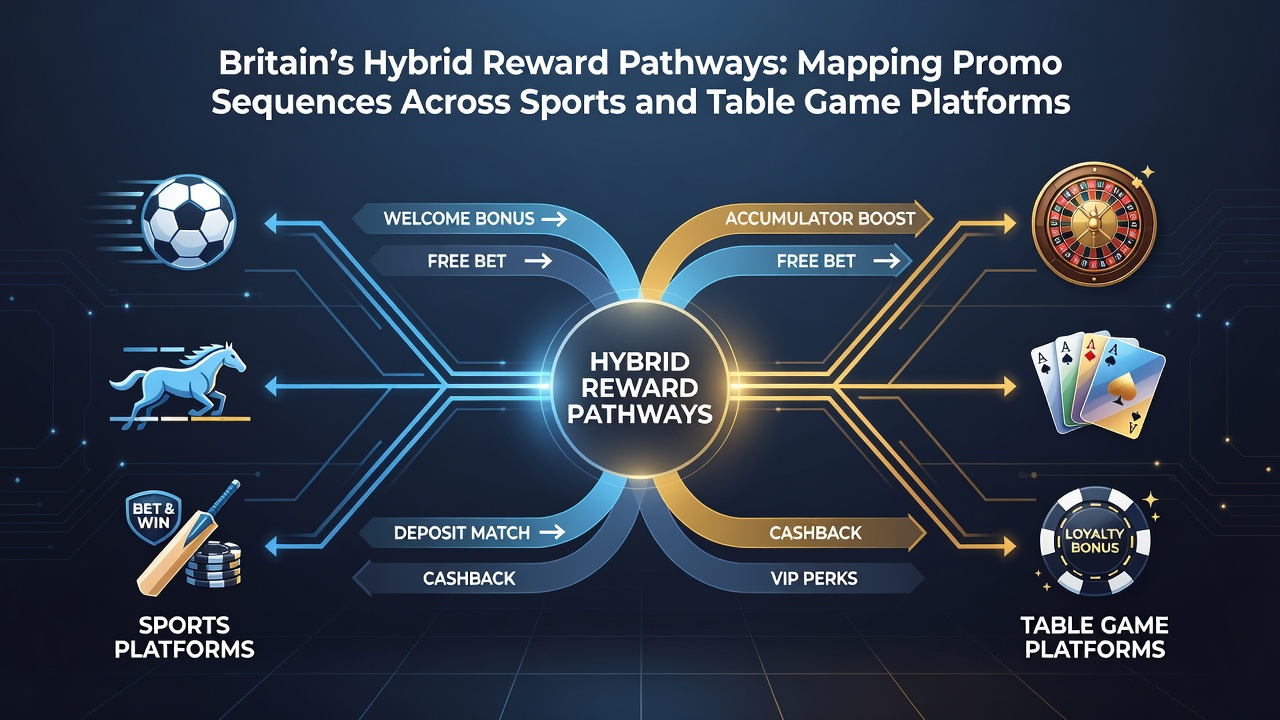
October 2026 Developments in Sequence Design
By October 2026 several platforms introduced automated triggers that activate table game bonuses immediately after sports outcomes are confirmed, and reports from the European Gaming and Betting Association detail how these updates rely on API connections between sportsbook and casino engines to verify eligibility within seconds.
One documented sequence allows a tennis bet win to generate free chips for baccarat, with the value scaled according to the original stake, and observers note that such linkages appear most frequently on mobile applications where session continuity across verticals improves retention metrics.
Regulatory Context Beyond Direct Oversight
Platforms must still separate sports and table game funds in accounting records even when rewards flow between them, and data shared through international research networks confirm that British operators align these hybrid systems with broader European standards on player fund segregation.
Academic studies from Australian universities have examined comparable models in other markets and found that clear disclosure of sequence rules correlates with higher completion rates, prompting British sites to publish step-by-step guides within account dashboards.
Examples of Active Pathways
Users report progressing from a rugby league enhanced odds offer directly into a roulette multiplier round, with winnings from the sports leg carrying over as eligible stake for the table game, and system analytics indicate these chained offers account for measurable increases in average session length.
Another pathway starts with a table game loyalty tier that unlocks sports free bets, reversing the typical order while preserving the same data tracking infrastructure across both product lines.
Conclusion
Britain's hybrid reward pathways continue to evolve through technical integration and cross-vertical mapping, with sequences linking sports and table game promotions under unified account frameworks, and ongoing data collection from multiple international sources supports further refinement of these structures into 2027.